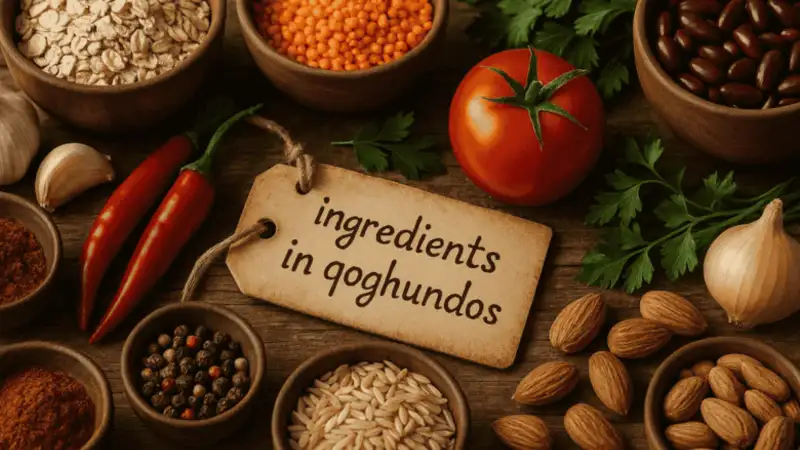
Introduction to Qoghundos and Its Ingredients
Qoghundos is a traditional dish that holds a significant place in various cultures, particularly within Central Asian cuisines. It is typically prepared with a blend of ingredients that not only contribute to its rich flavor but also represent the region’s culinary heritage. The dish often consists of a mixture of grains, vegetables, and meats, all harmonized to create a hearty and satisfying meal. Its variations can be found across different locales, each incorporating local ingredients that reflect the gastronomic traditions of the area.
The common ingredients in Qoghundos include a selection of whole grains, such as rice or bulgur, meats like lamb or chicken, and an array of seasonal vegetables. Additionally, spices and herbs play an essential role, enhancing the dish with aromatic flavors. For instance, saffron is often used for its vibrant color and unique taste, while cumin and coriander may be added for their warm, earthy notes. Each of these elements contributes to the overall texture and depth of the dish.
When considering the question, “Are the ingredients in Qoghundos good for you?” it is important to analyze the nutritional benefits derived from its components. Whole grains are rich in fiber and essential nutrients, making them a beneficial staple in any diet. Meanwhile, the inclusion of lean meats provides a source of protein, which is vital for muscle maintenance and overall health. The vegetables present in Qoghundos also offer a variety of vitamins, minerals, and antioxidants, further enhancing its health benefits.
As we delve deeper into the ingredients of Qoghundos, it becomes apparent that not only do they serve a culinary purpose, but they also bring forth a multitude of nutritional advantages that merit a closer examination.
Nutritional Analysis of Qoghundos Ingredients
The examination of ingredients in Qoghundos reveals a blend of components that contribute significantly to its nutritional profile. One of the primary ingredients typically includes whole grains, often noted for their high fiber content. Fiber plays a crucial role in digestive health and helps maintain stable blood sugar levels, suggesting that the inclusion of grains may be beneficial. A 100-gram serving of whole grains can contribute approximately 370 calories along with essential vitamins such as B-complex vitamins which support energy metabolism.
Another notable ingredient frequently found in Qoghundos is legumes. Rich in protein and low in fat, legumes provide valuable nutrients such as iron, potassium, and magnesium. These minerals are vital for various bodily functions, including muscle contraction and maintaining normal blood pressure. Specifically, just one cup of cooked legumes can offer around 230 calories while delivering substantial protein, making them a healthy addition that may answer the query on whether the ingredients in Qoghundos are good.
Additionally, the presence of vegetables, commonly featured in Qoghundos, adds another layer of health benefits. Vegetables are low in calories but high in essential vitamins and antioxidants. For instance, leafy greens can provide significant amounts of vitamin A, C, and K, which are important for immune function and skin health. Moreover, their high water content aids in hydration and contributes to satiety, likely enhancing the overall dietary benefits of Qoghundos.
When making an informed decision about the ingredients in Qoghundos, it is evident that the combination of whole grains, legumes, and vegetables offers a well-rounded nutritional profile. This comprehensive analysis illustrates that the ingredients used in Qoghundos have the potential to provide various health benefits, providing clarity around the query of whether the ingredients in Qoghundos are indeed good for you.
Potential Health Benefits and Risks

Qoghundos, a traditional dish from the Central Asian culinary repertoire, consists of a variety of ingredients, each contributing to its unique flavor and potential health benefits. The main components typically include grains, legumes, meat, and various spices. These ingredients are known for their rich nutritional profiles, which may promote overall health and wellness. For instance, the grains used in Qoghundos are often high in fiber, providing essential carbohydrates that support digestive health and help maintain stable blood sugar levels. Additionally, legumes are a fantastic source of protein, which is vital for muscle repair and growth, making Qoghundos a satisfying and nutritious option for many.
Moreover, Qoghundos often incorporates a range of spices, which not only enhance the dish’s flavor but can also offer numerous health benefits. Spices such as cumin and coriander possess antioxidant properties that may help combat inflammation and support a healthy immune system. The warmth of these spices can aid digestion and promote a balanced gut microbiome, which is essential for overall well-being. These attributes make one wonder, is the ingredients in Qoghundos good for those seeking a nutrient-dense meal?
However, it is essential to recognize potential risks associated with certain ingredients. Some individuals may have allergies to specific components, such as nuts or gluten-containing grains, found in different variations of Qoghundos. Furthermore, those who are sensitive to certain spices might experience discomfort after consumption. It is advisable for individuals with dietary restrictions or allergies to carefully evaluate the ingredients before indulging in this dish. Therefore, while many of the ingredients in Qoghundos can be beneficial, individual health considerations should always be taken into account to ensure it aligns with personal dietary needs.
Conclusion: Are Ingredients in Qoghundos Good for You?
After examining the various components that make up qoghundos, it is essential to draw an informed conclusion regarding their overall impact on health. The question “is ingredients in qoghundos good?” ultimately leads to a nuanced answer that depends on individual health goals and dietary restrictions. Generally, the primary ingredients in qoghundos, such as grains, proteins, and vegetables, possess numerous health benefits when consumed in moderation. These nutrients can provide an essential source of energy, promote muscle growth, and support digestive health, making them beneficial in a balanced diet.
However, it is crucial to consider the preparation methods and additional ingredients that might be included in the recipe. For instance, adding excessive amounts of sugar, unhealthy fats, or sodium can negate some of the health benefits associated with the core ingredients. Individuals aiming for a healthier version of qoghundos might want to consider substitutions or modifications. For example, using whole grains instead of refined options can increase fiber content, while incorporating a variety of vegetables can enhance nutritional value and improve overall flavor.
Moreover, personal dietary needs play a significant role in determining the quality of what is consumed. Those with specific dietary restrictions, such as gluten intolerance or allergies to certain foods, should carefully evaluate the ingredients in qoghundos. Customizing recipes to exclude harmful components while enhancing nutritional properties can lead to a more healthful experience. Ultimately, being mindful of ingredient choices can enhance one’s enjoyment and benefit derived from qoghundos. In conclusion, the ingredients in qoghundos can be good for you, provided they are selected and prepared with attention to individual nutritional needs and preferences.
